


All Products, Microgreens
Amaranth
148,00 EGP
Fresh and Healthy Microgreens
use
Hair:
- Strengthening Hair: Oils extracted from marigold leaves can be used to enhance scalp health and strengthen hair roots, which helps reduce hair loss.
- Moisturizing Hair: Natural marigold extracts help in moisturizing dry hair and improving its smoothness.
Skin:
- Antioxidant: Marigold leaves contain antioxidants that help protect the skin from damage caused by free radicals, giving the skin a youthful appearance.
- Moisturizing: Marigold extracts can be used in skincare products to hydrate dry skin and reduce irritation.
- Anti-inflammatory: Natural compounds in marigold help soothe skin inflammations and reduce redness.
Diet and Nutrition:
- Rich in Protein: Marigold seeds are high in plant-based protein, making them an excellent choice for vegetarians.
- Vitamins and Minerals: Marigold leaves are packed with vitamins such as A, C, and K, as well as minerals like calcium and iron.
- Digestive Health: Dietary fiber in marigold helps promote digestive health.
General Body Health:
- Heart Health: The nutritional benefits of marigold can help improve heart health, including reducing cholesterol levels.
- Immune Support: Regular consumption of marigold helps boost the immune system due to its rich vitamin and mineral content.
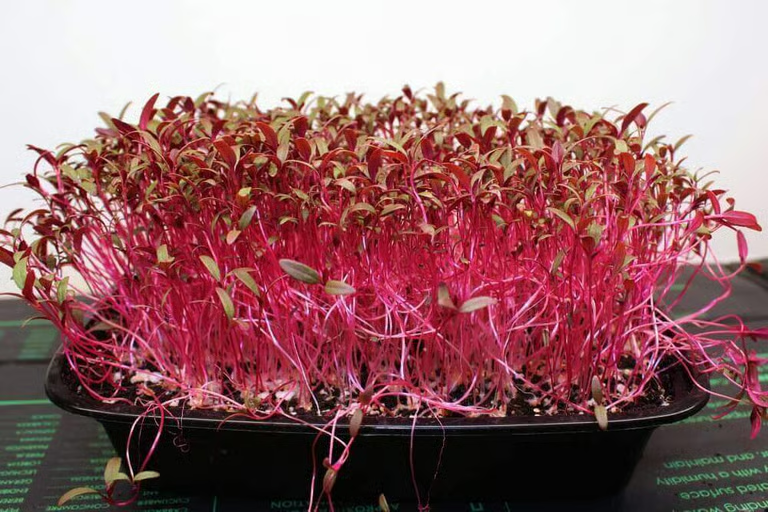
is a wonderful ornamental plant characterized by its attractive, colorful leaves and bright flowers that hang in beautiful clusters. It can reach a height of about 1.5 meters and grows densely, giving a stunning appearance.
is not just an ornamental plant; it also has nutritional uses. The leaves and seeds are edible and rich in nutrients. In some cultures, marigold leaves are used as fresh or cooked greens, and can be included in salads or stews. The seeds are used as grains in cooking and are nutritious with health benefits.
taste
|
|---|
CulturesMexico ,India ,Kenya |
DishesSalads , Avocado Toast , Soups , Sandwiches and Wraps , Smoothies , Garnish , Appetizers ,Pasta |
benefits:
Nutritional Benefits:
- Rich in Nutrients: Marigold leaves and seeds are high in essential nutrients, including vitamins A, C, and K, as well as minerals like calcium and iron.
- High in Antioxidants: The plant contains antioxidants, which help protect the body from harmful free radicals and reduce inflammation.
- Good Source of Protein: Marigold seeds are a great source of plant-based protein, making them an excellent addition to vegetarian and vegan diets.
- Digestive Health: The fiber content in marigold leaves aids in digestion and helps maintain a healthy gut.
Aesthetic Benefits:
- Garden Decoration: Marigold plants add vibrant colors and beauty to gardens, making them an excellent choice for ornamental purposes.
- Pollinator Attraction: The bright flowers attract pollinators like bees and butterflies, which are essential for a healthy ecosystem.
- Erosion Control: Marigold plants can help prevent soil erosion due to their dense growth and extensive root systems.
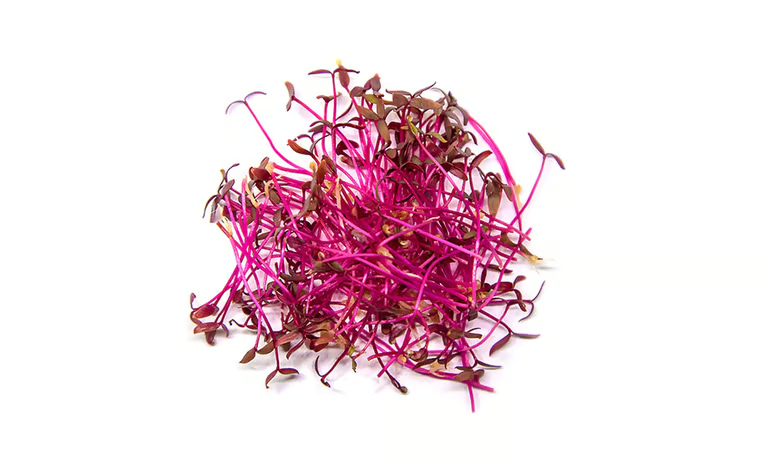
| Color | Green, pink, Reds |
|---|


Reviews
There are no reviews yet.