


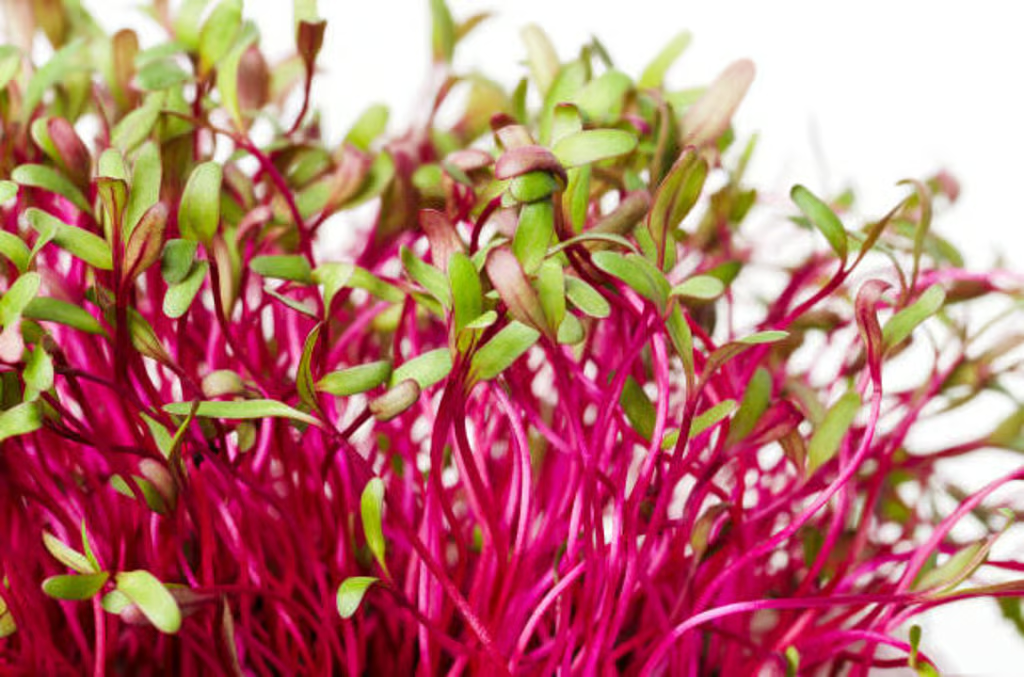
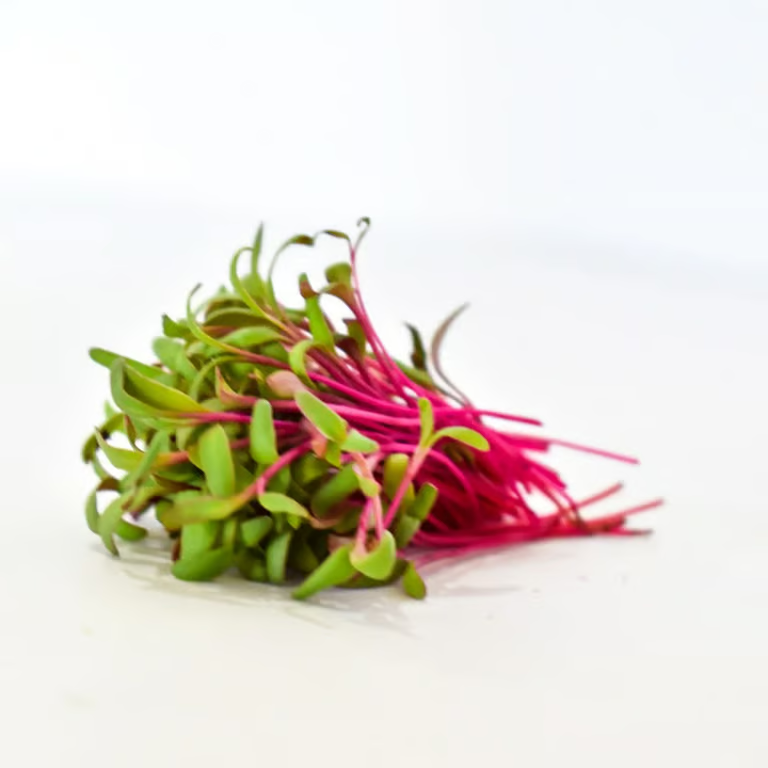
Beetroot
188,00 EGP
Green leaves, Red stems, earthy
use
In Diet and Nutrition:
- Low in Calories: Beetroot is low in calories and high in fiber, making it an excellent choice for weight loss diets.
- Rich in Nutrients: Beetroot is packed with essential vitamins and minerals such as Vitamin C, iron, folate, and potassium.
- Enhances Exercise Performance: Consuming beetroot can boost athletic performance by improving oxygen flow to muscles.
For the Body:
- Regulates Blood Pressure: The nitrates in beetroot help lower blood pressure by dilating blood vessels.
- Promotes Heart Health: The plant compounds in beetroot support heart health and reduce the risk of heart disease.
- Aids Digestion: The fiber in beetroot promotes healthy digestion and helps prevent digestive issues.
For Hair:
- Stimulates Hair Growth: The iron and folate in beetroot contribute to a healthy scalp and stimulate hair growth.
- Strengthens Hair: Beetroot helps strengthen hair and prevent hair loss thanks to its rich nutrient content.
For Skin:
- Cleanses the Skin: The antioxidants in beetroot help detoxify the skin and improve its appearance.
- Anti-Aging: Beetroot contains Vitamin C, which improves skin elasticity and helps prevent wrinkles.
- Brightening and Moisturizing: Beetroot can be used as a natural mask to brighten and deeply moisturize the skin.
Beetroot, also known as Beta or beet in the Middle East, is a type of root vegetable distinguished by its deep red color and slightly sweet taste. It has dark green, large leaves with distinct veins and a short, thick stem. Beetroot thrives in fertile, well-drained soil rich in organic matter, and requires adequate water and a temperate or cool environment. It is commonly used in salads, juices, and soups, and is a rich source of vitamins and minerals such as Vitamin C, iron, and folate. In addition to its health benefits, beetroot also adds beauty to gardens when planted.
| Taste
Beetroot has a unique taste that is often described as earthy and slightly sweet. When eaten raw, it has a crisp texture and a bit of a mild bitterness. When cooked, the sweetness becomes more pronounced and the texture becomes tender. This versatile flavor allows it to complement both savory and sweet dishes, making it a popular ingredient in salads, soups, and even desserts. |
|---|
| Cultures
Egypt ,Russia ,Greece ,Brazil, India |
| Dishes
Salads, Pastas, Sandwiches and Wraps, Soups, Seafood and Meats, Breakfast, Drinks and Smoothies |
benefits:
- Rich in Nutrients: Beetroot is packed with essential vitamins and minerals, including Vitamin C, iron, potassium, manganese, and folate.
- Improves Blood Pressure: The nitrates in beetroot can help lower blood pressure by relaxing blood vessels and improving blood flow.
- Boosts Stamina: Consuming beetroot can enhance athletic performance and endurance due to its ability to improve oxygen flow to muscles.
- Supports Digestive Health: Beetroot is high in fiber, which promotes healthy digestion and prevents constipation.
- Anti-Inflammatory Properties: Beetroot contains antioxidants and anti-inflammatory compounds that can help reduce inflammation in the body.
- Supports Brain Health: The nitrates in beetroot can also improve cognitive function and reduce the risk of dementia by promoting blood flow to the brain.
| Color | deep red or purple |
|---|---|
| taste | earthy, slightly sweet |

Reviews
There are no reviews yet.